Ensuring Safety and Efficiency: Best Practices in Crane Operations Feb 09, 2026
Crane operations, due to their complexity, require meticulous planning and execution. The foundation of safe crane operation is a comprehensive pre-operational inspection. Before the crane is set into motion, operators must ensure that every component is in excellent working condition. This process involves checking the hydraulic systems, brakes, hooks, and rigging gear to prevent equipment failure during critical operations. Consistent inspections not only prevent accidents but also enhance the longevity and efficiency of the machinery, aligning with Elite Crane Services’ commitment to quality and safety.
Once the equipment is certified safe, the next step is to define a clear communication framework for all team members involved in the operation. Effective communication is the linchpin of safety on-site. By utilizing hand signals or communication devices, depending on the operational environment, teams can preemptively address potential hazards. This makes the lifting and transporting process more streamlined and avoids costly delays or, worse, accidents. Communication also extends beyond operational instructions to include alerting operators about environmental changes that may affect crane stability, such as wind or rain.
Another crucial aspect of crane operations is proper load management. This includes knowing the weight limits and ensuring load weights are accurately measured and balanced. Overloading or unevenly distributing weight can lead to catastrophic failures. Operators must be trained and familiar with load charts, which provide vital information about the maximum lifting capacity of the crane under various conditions. Elite Crane Services prioritizes training programs that equip our operators with the necessary skills and knowledge to handle diverse situations efficiently.
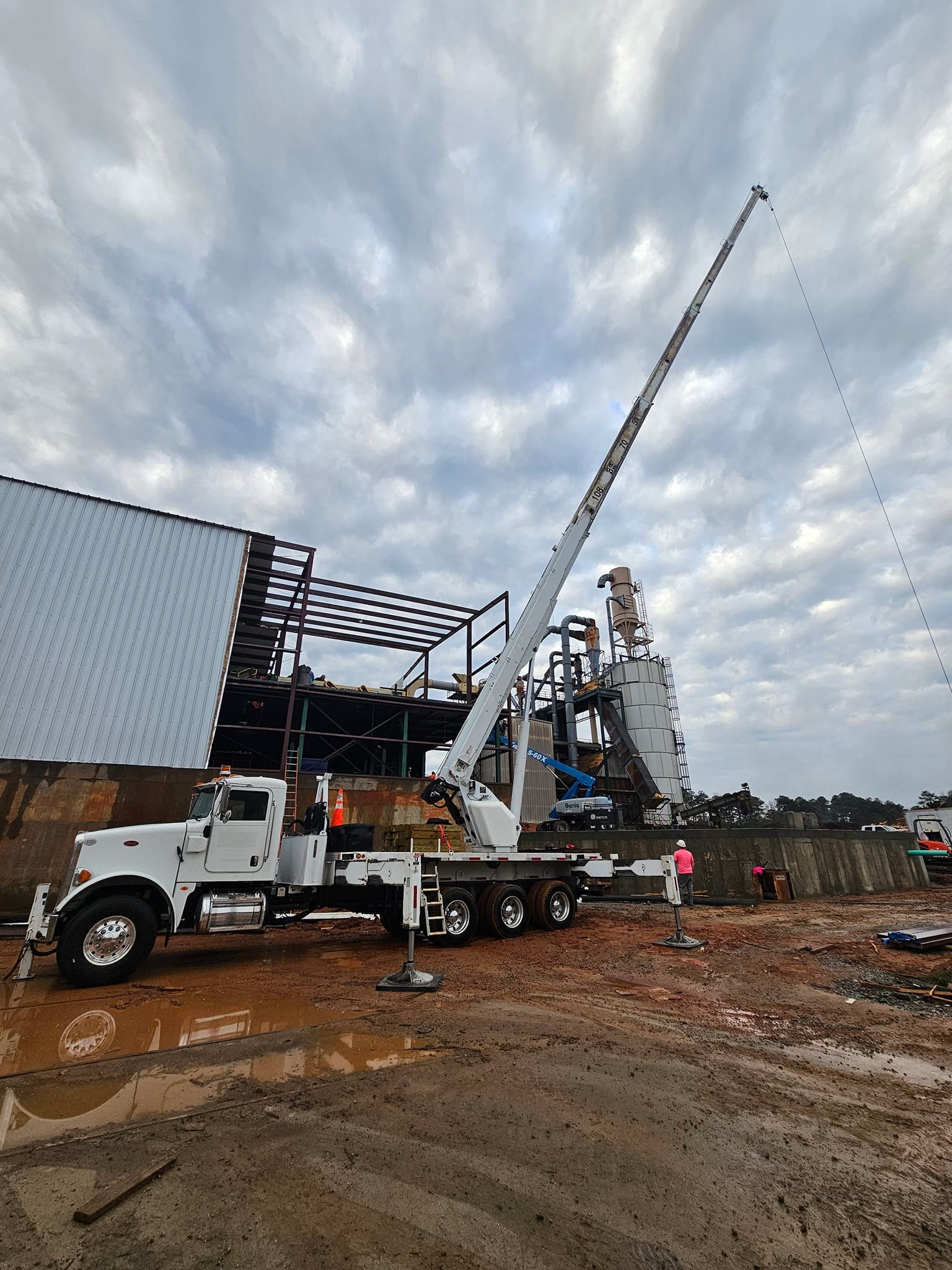
Moreover, the location and ground conditions where the crane is to be stationed are equally significant. Operating cranes on unstable or unsuitable surfaces can lead to tip-overs, which are among the most common reasons for equipment failure. Therefore, assessing the ground conditions and properly deploying stabilizers or mats is essential before beginning any operation. This preventive measure ensures that cranes remain stable, even when handling heavy loads, enhancing both safety and operational efficiency.
Beyond operational guidelines, ongoing education and training for operators cannot be overlooked. Continuous learning programs keep operators up-to-date with the latest safety protocols and technological advancements in crane operations. At Elite Crane Services, we believe that investing in our team’s education translates to superior service and safer work environments for everyone involved.
Ultimately, successful crane operations are a synergy of well-maintained equipment, expert operators, thorough planning, and seamless communication. By adhering to these best practices, Elite Crane Services not only optimizes crane performance but also mitigates risks, fostering a work culture that prioritizes safety and efficiency above all else. Our commitment to these principles ensures that we remain a trusted partner in all crane-related endeavors.
For more insights into safe and efficient crane operations or to learn how Elite Crane Services can assist you with your specific needs, feel free to contact our team today. Your safety and success are our highest priorities, and we are here to support your projects with unparalleled expertise and commitment.
/filters:no_upscale()/filters:format(webp)/media/8a49b426-71f6-451e-9d24-b102014ddf95.jpeg)