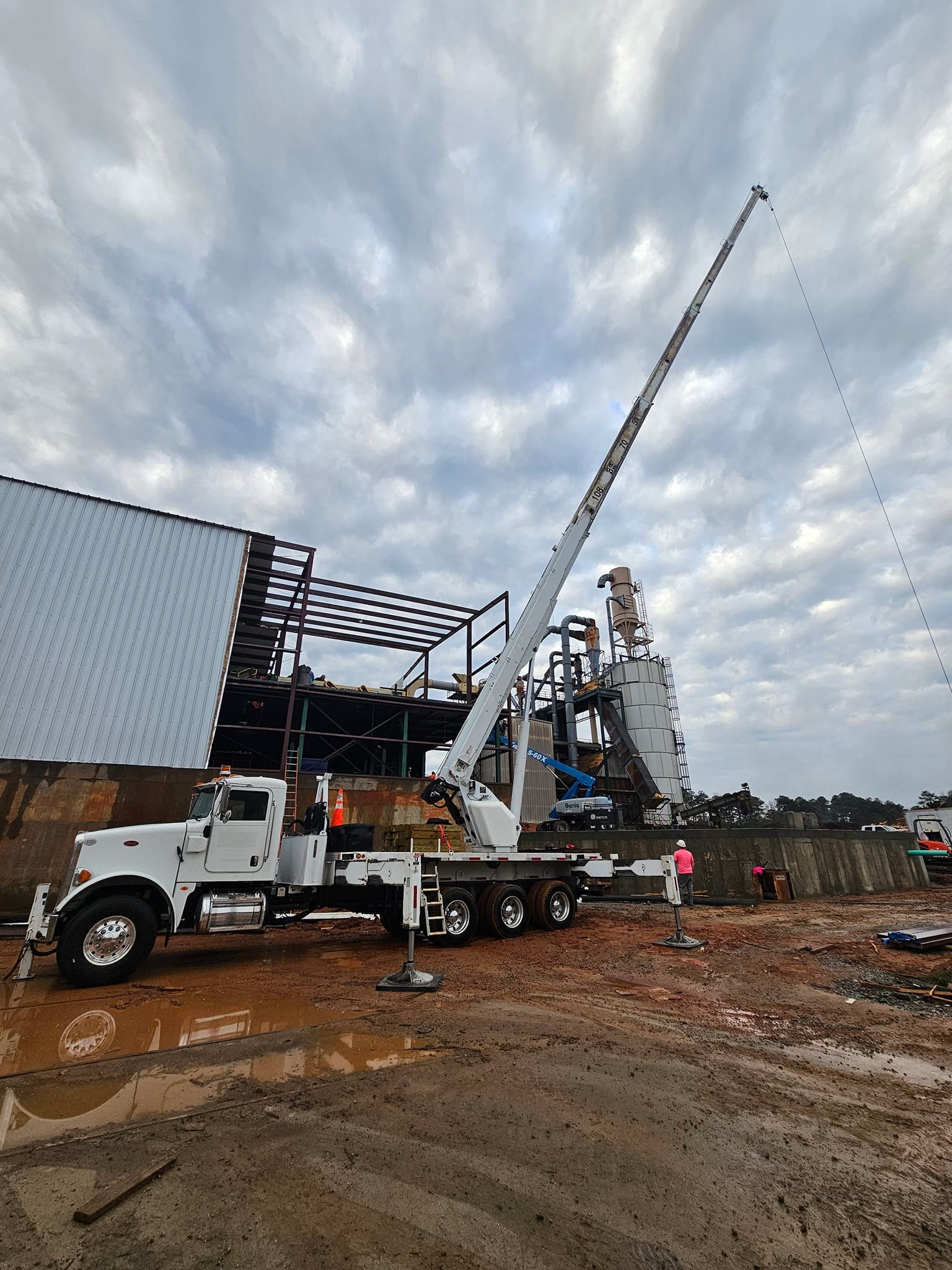
Innovations in Crane Design: Shaping the Future of Construction Machinery May 06, 2026
The introduction of smart technology into crane systems marks one of the most exciting developments in recent years. Smart cranes equipped with IoT sensors and automation technology are revolutionizing the construction process. These cranes enhance operational efficiency by collecting real-time data that help in monitoring load weights, environmental conditions, and equipment health. Data-driven decisions lead to optimized performance and preventative maintenance, ultimately reducing downtime and enhancing operational safety.
Moreover, the integration of remote technology in crane services allows operators to control machinery from a distance. This innovation is pivotal, especially for hazardous environments or locations with restricted access. Remote-controlled cranes reduce the risk to human operators while maintaining precision in load handling. This technology is essential for industries confining in high-risk zones, making Elite Crane Services a go-to for clients requiring heightened safety standards without compromising on efficiency.
Another innovation shaping crane design is the improvement in material engineering, reducing equipment weight while increasing load capacity and structural integrity. Modern cranes are crafted from high-strength steel alloys and advanced composite materials, allowing them to maneuver heavier loads without increasing the risk of mechanical failure. This enhanced design feature allows operators to handle more complex tasks, pushing the boundaries of what is feasible on construction sites.
The push for greener construction practices has also influenced crane design, with a growing emphasis on fuel efficiency and reduced emissions. Hybrid cranes, which utilize a combination of diesel and electric power, are becoming more prevalent. These cranes consume less fuel and are optimized for energy efficiency, providing a more sustainable solution without sacrificing power or performance. Companies like Elite Crane Services that invest in environmentally friendly machinery demonstrate their commitment to sustainable growth and responsiveness to industry demands for reduced carbon footprints.
Virtual reality and augmented reality are also becoming valuable tools in the crane industry, used for training purposes and project planning. Operators can now be trained in a virtual environment that simulates real-world scenarios, enhancing their skills and preparedness without the risks associated with on-site training. Planning and executing lifts in a virtual setting allows operators and engineers to anticipate potential challenges and devise solutions beforehand, improving project outcomes and efficiency.
In conclusion, the continuous innovations in crane design are not just reshaping how construction projects are undertaken but are also defining new standards for safety, efficiency, and sustainability. For Elite Crane Services and similar companies, embracing these technological advancements is key to meeting the evolving needs of the construction industry. As these technologies become increasingly integrated into crane services, stakeholders can expect heightened productivity, improved safety compliance, and a significant contribution towards environmentally sustainable operations. By aligning with these cutting-edge trends, Elite Crane Services ensures it remains at the pinnacle of crane services, providing clients with the latest advancements and unparalleled service quality.
/filters:no_upscale()/filters:format(webp)/media/8a49b426-71f6-451e-9d24-b102014ddf95.jpeg)