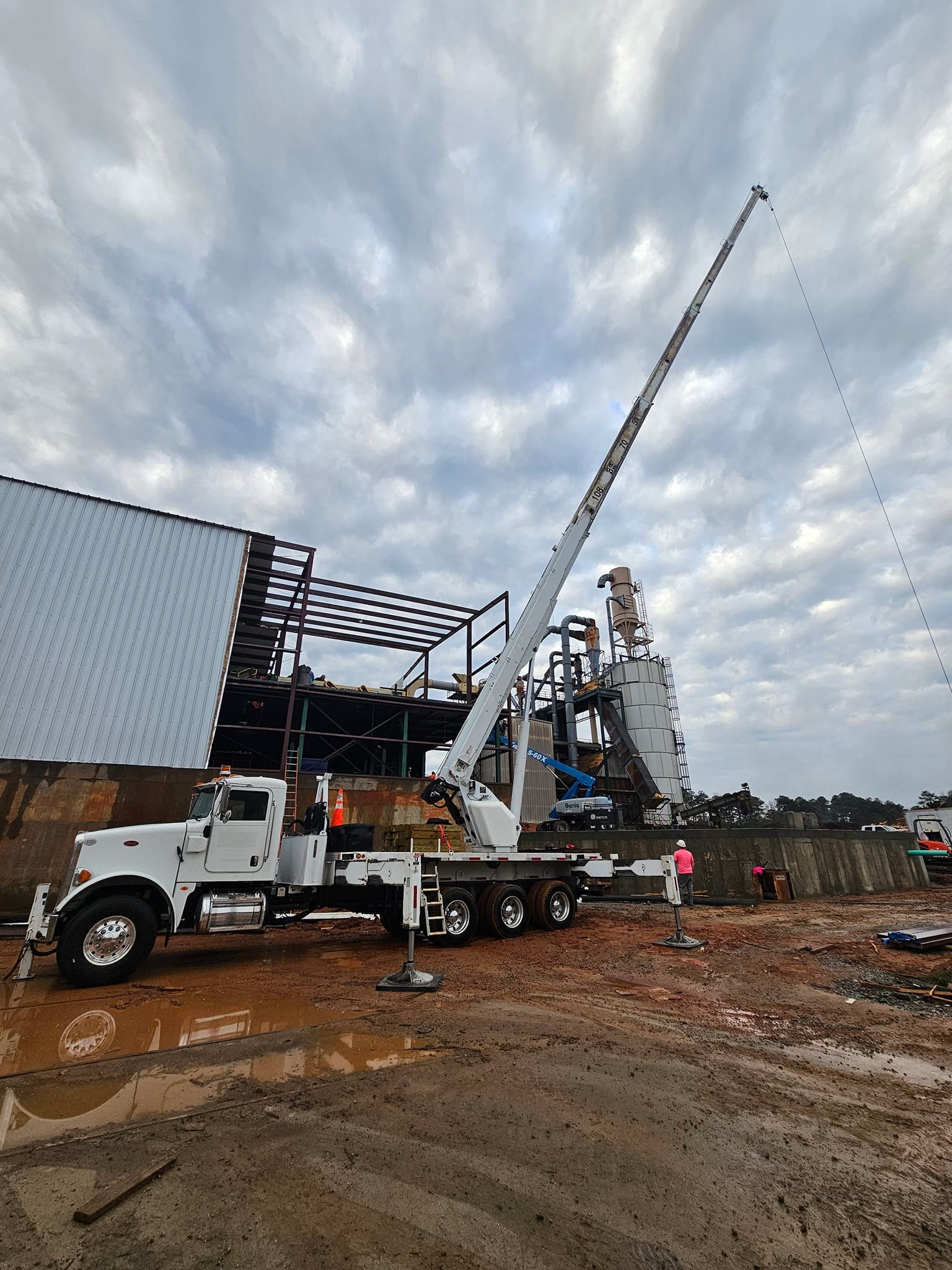
Mastering Crane Fleet Management: Strategies for Efficient Project Execution Jul 06, 2026
Efficient crane fleet management begins with a thorough understanding of your project requirements. Before deploying your fleet, assess the specific needs of the job site, including load capacity, lift height, and any potential obstacles. This initial assessment helps in selecting the right type and number of cranes, thereby optimizing resource allocation. It’s also essential to keep detailed records of past projects. Analyzing this data provides invaluable insights into what equipment worked best under different conditions, facilitating better decision-making for future projects.
Once the requirements are outlined, maintenance of your crane fleet becomes paramount. Regular inspections and preventative maintenance are non-negotiable strategies in fleet management. By adhering to a strict maintenance schedule, you can prevent unexpected breakdowns and extend the lifespan of your machinery. Implementing a digital maintenance tracking system can streamline this process. These systems allow you to monitor maintenance activities, track repair histories, and schedule forthcoming checks efficiently, ensuring that your cranes are in top condition with minimal downtime.
Another critical component of crane fleet management is skilled personnel. Even the most advanced crane is rendered useless without an experienced and trained operator. At Elite Crane Services, we emphasize ongoing training programs that keep operators informed of the latest safety protocols, operational best practices, and technological advancements. Investing in your team’s expertise not only enhances safety but also boosts overall project efficiency by reducing the likelihood of human error.
Furthermore, embracing technology can be a game-changer in mastering crane fleet management. Innovations such as telematics and IoT systems allow fleet managers to monitor crane performance in real time. These technologies provide vital metrics, such as fuel consumption, operational hours, and geographical location, all of which can be analyzed to improve efficiency and reduce costs. Additionally, these systems often come with predictive analytics capabilities that can foresee maintenance issues before they occur, allowing for proactive management rather than reactive repairs.
Safety cannot be understated in crane fleet management. Compliance with local regulations and safety standards should be a top priority. Ensure that all cranes are certified and that your team is regularly briefed on safety procedures. This not only safeguards your workforce but also protects your business from potential liabilities.
Effective communication is another key piece of the puzzle. Having clear communication channels between project managers, operators, and maintenance teams can significantly enhance workflow and efficiency. Integrated communication systems enable quick decision-making and ensure that everyone involved in a project is on the same page, reducing the chances of costly misunderstandings or errors.
In conclusion, mastering crane fleet management is an ongoing process that requires attention to detail, strategic planning, and continuous learning. By understanding project needs, maintaining equipment diligently, training personnel effectively, leveraging technology, adhering to safety standards, and fostering robust communication, Elite Crane Services ensures smooth and efficient project execution. Implementing these strategies can help you manage your crane fleet more effectively, thereby enhancing productivity and ensuring the success of your projects.
/filters:no_upscale()/filters:format(webp)/media/8a49b426-71f6-451e-9d24-b102014ddf95.jpeg)