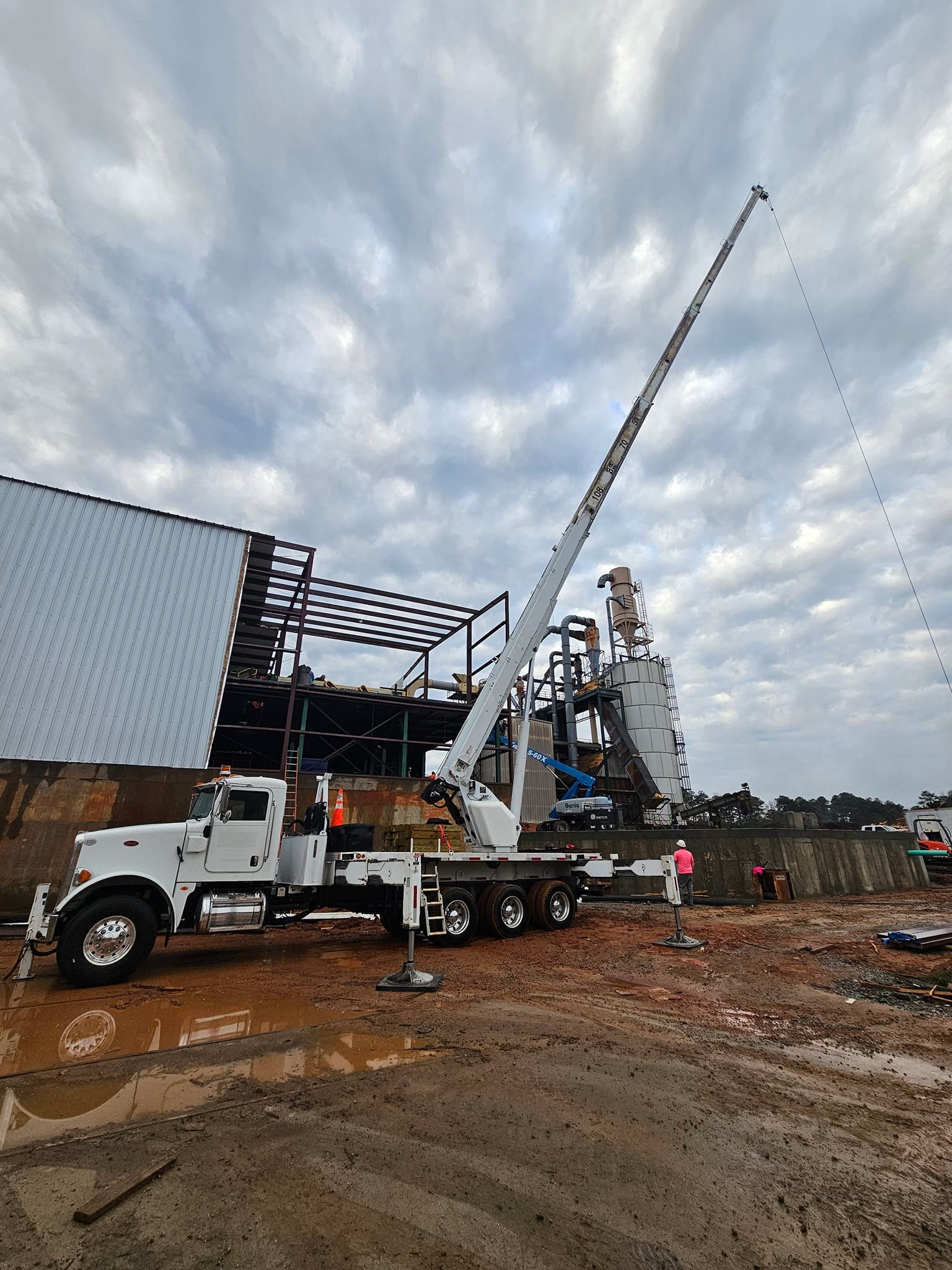
Strategic Crane Placement: Enhancing Worksite Productivity and Safety Apr 29, 2026
The essence of crane placement begins with a comprehensive site assessment. This step is vital as it involves evaluating the worksite to identify potential hazards and understanding the terrain's topography. Observing these aspects helps in defining an initial spot for the crane that minimizes risks. It's essential to account for factors such as ground stability, potential obstructions, and proximity to the load.
Safety is paramount in crane operations. Therefore, reducing risks and preventing accidents should be a primary focus. A stable ground supports the crane better, reducing the risk of tipping over. Checking for underground utilities is also essential to prevent unexpected issues. Proper placement ensures that the crane is at the right distance from electrical lines and other site-specific hazards, reflecting a proactive approach to safety.
Beyond safety, strategic placement enhances worksite productivity. The placement should facilitate seamless movement within the work radius. Ideally, the crane should be positioned to minimize the need for frequent repositioning, which can be time-consuming and increase wear and tear on the equipment. The optimal spot may allow the crane to perform multiple lifts within a given area without obstruction, enhancing workflow efficiency.
Moreover, understanding the crane's load radius and lifting capacity is crucial. The location chosen should accommodate the crane's full lifting range without compromising stability or requiring complex maneuvers. When a crane is optimally positioned, it can perform its maximum lifting potential, effectively reducing operation time and cost.
A weather-blind placement can derail even the best-laid plans. It’s important to consider weather conditions, especially wind patterns, while placing a crane. High winds can affect a crane's operation, so strategic placement should include consideration of wind loads and other weather-related criteria to ensure uninterrupted work.
Furthermore, communication is key in strategic crane placement. Clear communication channels between crane operators and ground personnel ensure that everyone is aware of the crane's path and operation areas, improving coordination and reducing the risk of accidents.
Elite Crane Services prides itself on providing expert guidance and support to ensure cranes are placed strategically. Their team of experienced professionals conducts thorough site analyses to devise plans that enhance safety and boost productivity. Partnering with experts not only ensures that placement is optimized but also integrates advanced technology and seasoned insight to anticipate challenges and address them effectively.
In conclusion, strategic crane placement is not merely about choosing a spot and setting up equipment. It involves a delicate balance of safety, efficiency, and expertise. By prioritizing these elements, businesses can not only minimize risks and enhance safety but also significantly improve their operational efficiencies. The right crane placement ultimately leads to a smoother, swifter, and more successful project completion. For projects requiring expert crane services, Elite Crane Services stands ready to provide the insights and solutions needed to achieve optimal results on every worksite.
/filters:no_upscale()/filters:format(webp)/media/8a49b426-71f6-451e-9d24-b102014ddf95.jpeg)