The Impact of Weather on Crane Operations and How to Mitigate Risks Mar 17, 2026
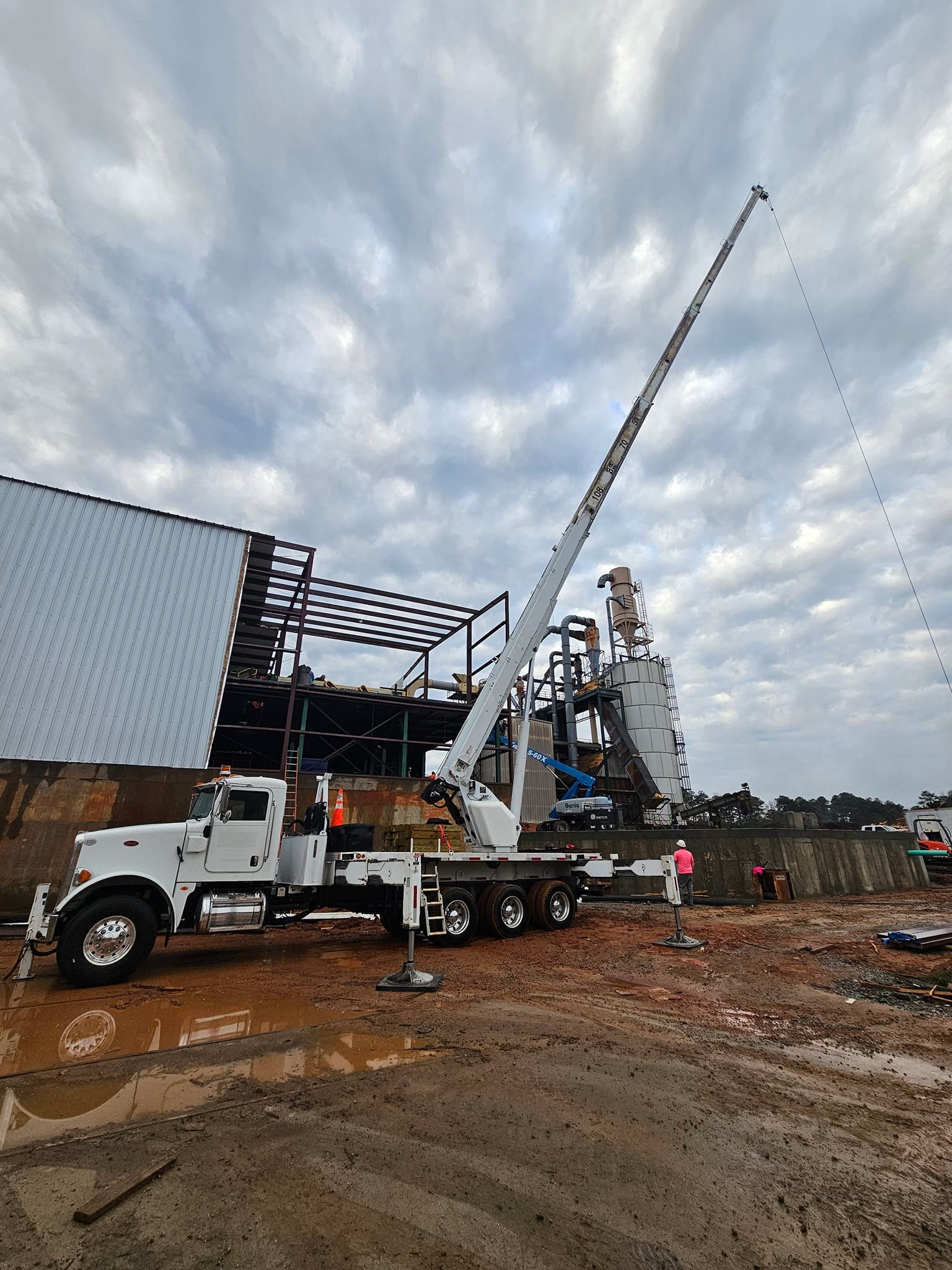
Weather can have a profound impact on crane operations, and windy conditions are often the most challenging. Wind speeds that exceed a crane's operational limits can lead to accidents by causing uncontrolled swaying of the load or even tipping the crane. Rain can also pose a risk by reducing visibility and making surfaces slippery, which increases the chance of operational errors or falling debris. Additionally, lightning strikes can be hazardous for cranes, which often become the highest points on a construction site.
Cold weather introduces unique challenges as well. Low temperatures can affect the hydraulics and other mechanical components of cranes, leading to equipment malfunctions. Furthermore, snow and ice create slippery conditions that can jeopardize the stability of the crane and the safety of the operation. Conversely, extremely hot weather can lead to overheating of crane engines and fatigue in operators, which can negatively impact task efficiency and safety.
To mitigate these risks and maintain safe crane operations, it is crucial to implement a strategy that includes regular weather monitoring. Utilizing weather forecasts and setting predetermined wind speed thresholds can help operators make informed decisions about whether to continue or pause operations. Elite Crane Services strongly recommends the use of advanced anemometers and weather monitoring systems to track real-time conditions.
Training operators to understand and respond to weather-related hazards is equally important. Regular safety drills and education programs should cover the implications of various weather conditions and the necessary steps to manage them. This ensures that all members of the team are equipped with the knowledge to act swiftly and safely, reducing the likelihood of accidents.
Another effective strategy is ensuring that cranes are properly maintained to withstand adverse weather. Regular maintenance checks should focus on components that are most vulnerable to weather, such as hydraulic systems, which can be affected by both cold and hot temperatures. Additionally, having a clear, documented plan for securing the crane and site equipment in the face of impending severe weather is a crucial step in risk management.
At Elite Crane Services, our commitment to safety extends beyond regular operations into extreme weather preparedness. By prioritizing comprehensive training, investing in accurate weather monitoring technology, and maintaining equipment to high standards, we strive to enhance the safety and efficiency of crane operations regardless of weather conditions.
In conclusion, weather affects crane operations significantly, posing risks that can be mitigated through careful planning and proactive measures. By understanding the impact of different weather phenomena and implementing best practices, operators can safeguard both personnel and equipment. At Elite Crane Services, we remain dedicated to helping clients manage these challenges with expertise and precision, ensuring that each project is executed safely and efficiently, no matter what the skies may bring.
/filters:no_upscale()/filters:format(webp)/media/8a49b426-71f6-451e-9d24-b102014ddf95.jpeg)